
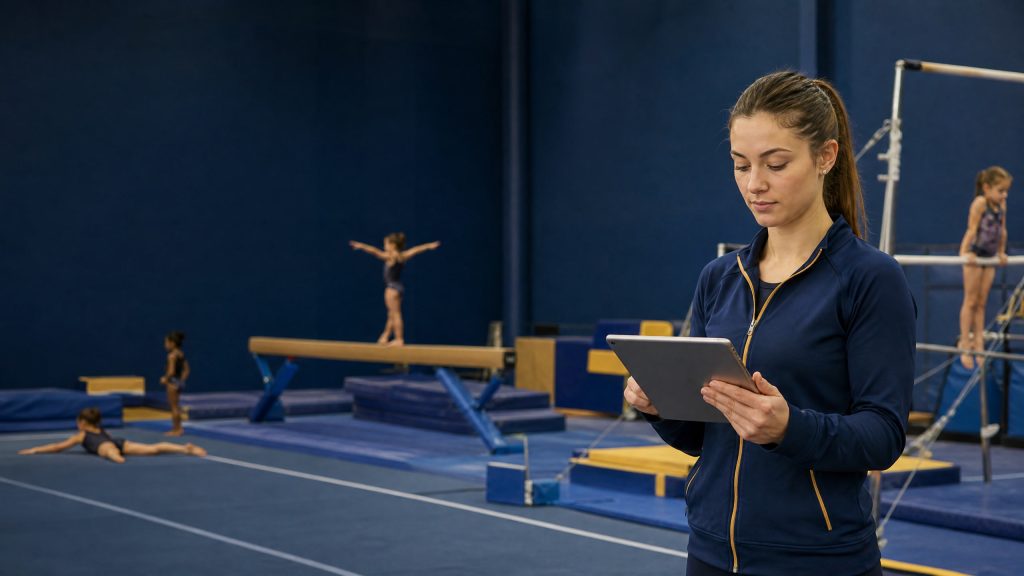
Running a thriving gymnastics club with hundreds of active gymnasts, dozens of coaches, and specialized apparatus stations is an extraordinary operational achievement. Yet, behind the joyful atmosphere of tumbling passes, vaulting drills, and chalk-covered balance beams lies a relentless administrative challenge. When clubs scale beyond a single recreational group, coordinating class schedules manually using paper binders, messy spreadsheets, and disjointed group chats quickly becomes unsustainable. Facility managers and head coaches find themselves spending countless hours resolving scheduling conflicts, tracking equipment utilization, and chasing down tuition payments just to keep gym doors open.
For growing organizations, relying on outdated administrative methods not only drains valuable staff time but also jeopardizes safety, member satisfaction, and financial stability. Coaches deserve to focus on coaching rather than refereeing roster overbooks, and club owners need reliable systems to ensure that premium apparatuses like uneven bars, vault tables, and spring floors are utilized efficiently without causing bottlenecks. This is precisely why adopting advanced gymnastics class scheduling software for large clubs has transitioned from a luxury to an absolute operational necessity in modern youth sports management [1].
Managing a multifaceted gymnastics program requires balancing gymnast skill levels, age groups, safety ratios, and facility dimensions simultaneously. When scheduling errors occur, they cascade rapidly across the entire gym floor, leading to frustrated parents, stressed coaches, and idle equipment. By modernizing your scheduling infrastructure, you can eliminate administrative friction, protect your club’s revenue streams, and foster an environment where coaches and young athletes can truly excel [2].
The Unique Operational Complexities of Large Gymnastics Clubs
Gymnastics differs significantly from team sports like soccer or basketball. While traditional sports clubs primarily require a field or court booking and a standard roster, gymnastics facilities are miniature industrial complexes of specialized equipment and stringent safety compliance. A single evening in a bustling gymnastics facility might feature competitive girls’ teams working on vault, recreational preschool classes bouncing on trampolines, and tumbling squads practicing handsprings on the floor exercise mat all at the exact same hour.
This dense concentration of activities creates intricate scheduling dependencies. Each apparatus has strict maximum capacity limits governed by coaching safety ratios and physical space restrictions. If two advanced competitive groups require the same set of uneven bars simultaneously, or if a coach is double-booked across disparate training pits, safety is compromised and training quality drops. Club administrators often find themselves working late nights and early mornings attempting to untangle these conflicting timetable matrices on paper or static spreadsheets.
Furthermore, large clubs must account for frequent schedule adjustments due to regional competitions, coach certifications, facility maintenance, and seasonal enrollment surges. Without centralized digital visibility, communication breakdowns occur between front-desk staff, head coaches, and parents. Recognizing these unique organizational hurdles is the first step toward implementing robust administrative solutions that alleviate staff burnout and build sustainable club growth [3].
Beyond basic timetabling, larger facilities also contend with complex inventory tracking. Chalk, grip bags, replacement springs, safety mats, and landing pads all require regular maintenance and safety inspection logs. When scheduling software integrates equipment and space allocation into a single unified platform, facility managers gain complete oversight over daily wear and tear, ensuring compliance with governing body regulations and protecting young athletes from avoidable injuries.
Mastering Multi-Apparatus Rotation and Station Scheduling
One of the most complex tasks in gymnastics administration is managing apparatus rotations. Unlike traditional classroom learning where students remain seated at desks, gymnastics training relies on continuous circuit rotations where groups cycle through beams, bars, rings, vaulting tables, and foam pits at timed intervals. Coordinating these rotations manually for fifty or more athletes across six distinct apparatus stations requires military-grade precision.
Advanced gymnastics gym scheduling tools allow program directors to establish automated rotation templates that dictate exactly when each training group transitions from one apparatus to the next. When a digital system governs station sequencing, coaches never have to guess which group is arriving next, and equipment wear and tear is evenly distributed across training sessions. This systematic approach not only maximizes floor utility but also significantly enhances athlete safety by preventing overcrowding around high-risk apparatus zones [1].
Moreover, integrating a dedicated coach and apparatus scheduling system ensures that coaching qualifications are permanently linked to station assignments. For instance, high-level coaching credentials required for spotting advanced tumbling or bar routines are automatically matched with the appropriate competitive squads, eliminating human error in staff allocation. When scheduling is transparent and structured, coaches can dedicate their full mental energy to mentoring athletes rather than managing logistics.
Effective station scheduling also accommodates developmental diversity within classes. Younger recreational gymnasts require more frequent station rotations with shorter intervals to maintain engagement and focus, whereas advanced competitive gymnasts require extended blocks of focused time on specific apparatuses. Customizing rotation parameters dynamically within digital scheduling software ensures that every age group and skill tier receives optimal training duration without disrupting neighboring classes.
Scaling Across Facilities with Multi-Location Gymnastics Software
As successful gymnastics clubs expand their footprint, many open secondary satellite locations or partner with local community centers to accommodate growing waiting lists. However, multi-facility operations introduce an entirely new layer of administrative friction. Club owners often struggle with siloed registration systems where staff at facility A cannot see coach availability or equipment schedules at facility B, leading to chaotic double-bookings and administrative gridlock.
Utilizing specialized multi-location gymnastics software bridges these operational islands into a cohesive, centralized enterprise network. Centralized management allows club directors to view real-time capacity utilization across every gym branch from a single dashboard. Coaches can be scheduled across multiple facilities seamlessly, and parents with children attending different gym locations can manage all enrollments, payments, and communications through one unified portal [3].
Furthermore, multi-location software standardizes operating procedures across branches. When membership policies, grading rubrics, attendance standards, and tuition collection schedules are synchronized centrally, brand reputation remains consistent regardless of which venue a family visits. Club owners gain bird’s-eye financial analytics comparing revenue generation and capacity fill rates across all locations, enabling data-driven expansion decisions.
For a comprehensive perspective on managing sports organizations effectively, club leaders can explore our detailed sports club management software guide. Implementing scalable digital infrastructure ensures that expanding your club’s physical presence multiplies your community impact rather than multiplying your administrative headaches.
Comparing Traditional Scheduling Methods Versus Modern Digital Software
To understand the transformative impact of modern club administration tools, it is helpful to evaluate how traditional methods contrast with automated digital workflows across key operational metrics.
Overcoming Coach Burnout and Optimizing Roster Capacities
Behind every successful gymnastics program is a dedicated team of coaches who pour their physical and emotional energy into training young athletes. However, administrative burnout is a silent epidemic in youth sports. When coaches are forced to spend their pre-training and post-training hours sorting out attendance sheets, verifying makeup classes, and negotiating roster changes, their passion wanes. Over time, administrative fatigue leads to high staff turnover, which directly disrupts the consistency and developmental progress of young gymnasts.
Implementing intuitive scheduling software protects your coaching staff by automating routine administrative burdens. Coaches can view their daily rosters, check athlete skill levels, and record session attendance directly from their mobile devices in seconds. This seamless integration allows them to walk onto the gym floor focused entirely on teaching proper tumbling technique, encouraging perseverance, and ensuring physical safety [2].
Furthermore, optimizing roster capacities directly impacts club financial health. Gymnastics clubs operate on tight margins where every open slot represents lost revenue that could otherwise fund upgraded safety mats, vaulting boards, or specialized coaching clinics. Advanced scheduling systems maintain accurate waitlists and automatically backfill canceled spots, ensuring that your facility operates at peak economic and capacity efficiency without overburdening administrative staff [1].
When coaches feel supported by modern tools, morale rises noticeably across the organization. Staff retention improves, team culture strengthens, and the overall quality of instruction reaches new heights. Investing in operational efficiency is, at its core, an investment in the human heartbeat of your gymnastics club.
Streamlining Parent Communication and Timely Fee Collection
A thriving gymnastics club relies fundamentally on a strong, trusting partnership between coaches, club administrators, and parents. Parents invest significant financial resources and personal time to support their children’s athletic journeys, driving them to early morning practices and cheering at weekend competitions. When administrative communication is opaque or disorganized—such as delayed invoices, misplaced schedules, or unclear makeup class policies—frustration builds on both sides.
Timely collection of membership fees is another critical pillar of club sustainability. Coaches and gym owners depend on predictable cash flow to pay facility rent, service specialized gymnastics equipment, and invest in top-tier coaching talent. When fee collection relies on awkward paper reminders or manual bank transfers, payments frequently arrive late, placing immense stress on club operations. Modern management platforms automate recurring billing and send gentle, professional reminders, removing awkwardness and ensuring reliable revenue [3].
By establishing transparent, automated communication channels, clubs can foster a collaborative community where parents feel fully informed and valued. When parents understand how their membership fees directly contribute to gym improvements and safe training environments, loyalty deepens and overall club engagement flourishes. Parents can easily request makeup sessions, track skill progression milestones, and settle monthly dues through secure mobile portals without friction.
Choosing the Right Gymnastics Class Scheduling Software for Large Clubs
When selecting the right technological solution for your facility, club directors must evaluate software platforms against specific operational criteria. Not all management tools are engineered to handle the rigorous demands of multi-apparatus gymnastics training. Investing time upfront in a thorough evaluation prevents costly software migrations later.
Key features to look for in gymnastics class scheduling software for large clubs include granular permission controls for head coaches versus front-desk staff, robust mobile accessibility for gym-floor check-ins, automated waitlist management, and flexible billing engines that support customized sibling discounts and competitive team fee structures. Additionally, ensuring that the software provider offers reliable customer support and intuitive onboarding is vital for ensuring high staff adoption rates across your organization [1] [2].
Transitioning to a modern digital platform may initially feel like a significant change for teams accustomed to paper clipboards, but the long-term rewards are immense. By reclaiming hundreds of hours of administrative time each month, club owners can redirect their energy toward expanding community outreach, enhancing training programs, and inspiring the next generation of gymnasts.
Building a Sustainable Future for Your Gymnastics Community
Ultimately, transitioning away from paper-based scheduling and adopting state-of-the-art digital tools is about more than just efficiency—it is about preserving the joy of sport. Gymnastics teaches children discipline, courage, flexibility, and teamwork values that stay with them for a lifetime. When club owners and coaches are liberated from administrative clutter, they can dedicate their hearts and minds to nurturing those values.
As your club continues to grow, welcoming new families and expanding athletic programs, having a resilient operational backbone ensures that success does not breed chaos. Embrace the digital tools designed specifically for your industry, strengthen your partnership with parents, and build a flourishing gymnastics community that stands the test of time [1] [3].
Conclusion
Managing a large gymnastics club is a noble and demanding endeavor that requires balancing safety, athletic development, staff well-being, and financial health. While paper binders and static spreadsheets may have sufficed during the early stages of a club’s growth, they ultimately create bottlenecks that stifle potential and exhaust dedicated administrators. By embracing advanced gymnastics class scheduling software for large clubs, facility directors can transform operational chaos into a streamlined, harmonious ecosystem [1] [3].
Investing in the right technological foundation empowers your coaches to focus on what they do best, gives parents seamless transparency, and secures the financial future of your club. As you take the next step toward operational excellence, remember that efficient systems are not designed to replace human connection—they are designed to protect it.
References
- Pembee. (2026). The Best Gymnastics Management Software for 2026. Retrieved from https://www.pembee.app/blog/the-best-gymnastics-management-software-for-2026
- iClassPro. (2026). Gymnastics Software Features & Class Management Solutions. Retrieved from https://www.iclasspro.com/gymnastics-software-features
- Club Automation. (2026). Mastering Class Scheduling Across Locations with Multi-Location Gym Scheduling Software. Retrieved from https://www.clubautomation.com/resources/mastering-class-scheduling-across-locations-with-multi-location-gym-scheduling-software