
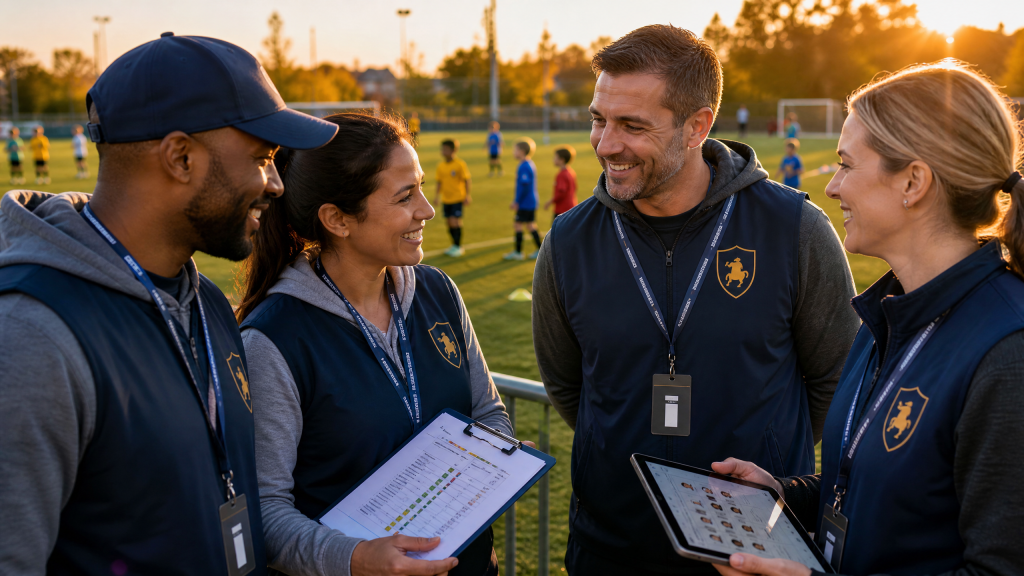
Running a sports club is rarely a solo endeavour. Behind every successful match, tournament, and training session is a dedicated team of people who give up their evenings and weekends to make it all happen. But here is the hard truth that many coaches and club owners face: recruiting volunteers is tough, and retaining them is even tougher.
Without a structured approach to sports club volunteer management, you risk burning out your most dedicated helpers—or worse, burning yourself out trying to do everything alone. When you are already juggling training schedules, membership fees, and parent communication, adding “volunteer coordinator” to your job description can feel overwhelming.
This complete guide will show you how to build a reliable, motivated volunteer base. We will cover proven strategies for recruiting the right people, defining clear roles, and creating an environment where volunteers want to stay season after season. Whether you run a local youth football academy, a growing basketball club, or a community swimming team, these practical steps will help you share the load and build a stronger club community.
Why Sports Club Volunteer Management Matters
It is easy to view volunteers simply as “free help,” but that mindset is fundamentally flawed. Volunteers are the lifeblood of grassroots and youth sports. They are the team managers who coordinate travel, the parents who run the concession stand, and the assistant coaches who help run drills. When you have a strong volunteer team, your club thrives.
Effective volunteer management is about more than just filling rotas. It is about creating a culture of participation. When parents and community members feel valued and understand exactly what is expected of them, they are far more likely to step up. Conversely, when volunteer roles are vague or disorganised, people step back, fearing they will be sucked into a massive, unending commitment.
For coaches and club owners, mastering volunteer management means you can finally focus on what you do best: developing athletes and growing your club. It means fewer late nights sorting out administrative chaos and more time planning effective training sessions.
Step 1: Define Clear Volunteer Roles
The number one reason people hesitate to volunteer at a sports club is the fear of the unknown. “If I say yes to helping out at the tournament, will I suddenly become the permanent events coordinator?”
To overcome this, you must define clear, specific roles before you ever ask for help. A vague plea for “anyone who can lend a hand” rarely works. Instead, break down the tasks your club needs into manageable, clearly defined positions.
Create “Bite-Sized” Opportunities
Not everyone can commit to being a team manager for the entire season. Offer micro-volunteering opportunities that require a specific, limited time commitment. For example:
- Match Day Setup: Arrive 30 minutes early to help set up goals, cones, or equipment.
- Registration Desk: Spend one hour at the start of the season helping new members fill out forms.
- Social Media Photographer: Take photos during one specific match and send them to the club manager.
By offering these smaller tasks, you lower the barrier to entry. Once someone has a positive experience with a small task, they are much more likely to take on a larger role in the future.
Write Simple Role Descriptions
For more substantial roles, create a brief, written description. This doesn’t need to be a corporate job specification, but it should clearly outline:
- The title of the role (e.g., Assistant Equipment Manager)
- The specific responsibilities
- The estimated time commitment (e.g., 2 hours per week)
- Who they report to or coordinate with
When potential volunteers know exactly what they are signing up for, they feel much more comfortable saying yes.
Step 2: Recruit Strategically and Personally
Sending a mass email or posting a generic message in a WhatsApp group asking for volunteers is rarely effective. The bystander effect kicks in—everyone assumes someone else will do it.
The Power of the Personal Ask
The most effective recruitment strategy is a direct, personal conversation. When you approach a parent on the sidelines and say, “Sarah, I noticed you’re always so organised with the kids’ water bottles. Would you be willing to help us manage the hydration station during the summer tournament?”, you are doing two things:
- You are acknowledging their specific skills or traits.
- You are making a direct, hard-to-ignore request.
People want to feel needed and capable. When you match a specific need to a specific person, your success rate will skyrocket.
Identify Skills within Your Parent Base
Your club is full of parents with diverse professional skills. You likely have accountants, marketing professionals, event planners, and IT specialists standing on the sidelines every weekend. Tap into this resource.
At the start of the season, when parents are filling out registration forms, include a simple question: “What professional skills or hobbies do you have that you might be willing to share with the club?” This gives you a database of potential experts you can call upon when specific needs arise.
Step 3: Provide Proper Onboarding and Support
Throwing a new volunteer into the deep end without support is the fastest way to lose them. Even simple tasks require some level of orientation.
The Volunteer Welcome
When someone agrees to help, make sure they feel welcomed and informed. Provide them with the necessary information, whether that is a quick walkthrough of the equipment shed, an introduction to the head coach, or a brief document explaining the club’s safety protocols.
Pair new volunteers with experienced ones whenever possible. This “buddy system” reduces anxiety, ensures tasks are done correctly, and helps build social connections within your club community.
Equip Them for Success
Ensure your volunteers have the tools they need to do their jobs effectively. If they are managing attendance, give them a clear, easy-to-use digital system rather than a crumpled piece of paper. If they are helping with coaching drills, provide them with a clear session plan in advance.
When volunteers feel disorganised or unsupported, they quickly become frustrated. By providing structure and the right tools, you show that you respect their time and effort.
Step 4: Communicate Consistently and Clearly
Poor communication is a major source of friction in sports clubs. Volunteers need to know what is happening, when it is happening, and if any plans have changed.
Centralise Your Communication
Relying on fragmented WhatsApp groups, scattered emails, and verbal messages passed on the sidelines is a recipe for disaster. Important updates get lost, and volunteers end up confused or showing up at the wrong time.
Establish a single, reliable channel for volunteer communication. Whether you use a dedicated team management app or a specific email newsletter, ensure everyone knows where to look for official updates.
Set Expectations Early
Be transparent about schedules and expectations. If a tournament is going to require an early start, communicate that weeks in advance, not the night before. Respecting your volunteers’ time means giving them ample notice to plan their own lives around their club commitments.
Step 5: Recognise and Retain Your Volunteers
Recruitment is only half the battle; retention is where the real value lies. A volunteer who returns season after season brings experience, reliability, and institutional knowledge that is invaluable to your club.
The Power of “Thank You”
Never underestimate the impact of genuine gratitude. A simple, sincere “thank you” goes a long way. Make it a habit to publicly acknowledge your volunteers. Mention them in your end-of-season speeches, highlight their contributions in the club newsletter, or give them a shout-out on your club’s social media pages.
Create a Culture of Appreciation
Go beyond verbal thanks and create tangible moments of appreciation. This doesn’t have to be expensive. Consider:
- Hosting an end-of-season volunteer appreciation BBQ or drinks evening.
- Providing club-branded apparel (like a special “Staff” or “Volunteer” polo shirt) that makes them feel part of the team.
- Offering discounted membership fees for parents who take on significant, season-long roles.
Ask for Feedback
At the end of the season, ask your volunteers about their experience. What went well? What was frustrating? What tools or support do they need for next year? By actively seeking their input, you show that you value their perspective and are committed to improving the volunteer experience.
Overcoming Common Volunteer Management Challenges
Even with a solid plan, you will face challenges. Here is how to handle the most common issues in sports club volunteer management.
Dealing with the “Helicopter Parent” Volunteer
Sometimes, parents volunteer primarily to ensure their own child gets preferential treatment. This can create tension and undermine the coach’s authority. To manage this, establish clear boundaries from day one. Ensure that volunteer roles (especially assistant coaching or team management) have strict guidelines regarding fairness and neutrality. If a volunteer oversteps, have a private, professional conversation reminding them of the club’s core values.
Managing Volunteer Burnout
It is common in sports clubs for 20% of the people to do 80% of the work. These dedicated few are at high risk of burnout. Protect your most valuable volunteers by actively preventing them from taking on too much. Force them to delegate, and use the micro-volunteering strategies mentioned earlier to distribute the load more evenly across the parent base.
Handling Unreliable Volunteers
Occasionally, a volunteer will consistently fail to show up or complete their tasks. This puts extra strain on everyone else. Address the issue promptly but kindly. Often, unreliability stems from a misunderstanding of the commitment or personal issues outside the club. Have a private conversation to see if the role needs to be adjusted or if they need to step down gracefully without feeling guilty.
Digital Tools to Simplify Volunteer Management
Managing a sports club in the modern era shouldn’t rely on paper sign-up sheets and chaotic group chats. Embracing digital tools can drastically reduce the administrative burden of managing volunteers.
Look for club management platforms that offer integrated communication, scheduling, and task assignment features. When you can send targeted messages, create digital rotas, and track availability all in one place, you eliminate the confusion that often plagues volunteer coordination.
Digital tools also provide transparency. When everyone can see the schedule and who is responsible for what, accountability increases naturally.
Conclusion: Building a Sustainable Club Community
Effective sports club volunteer management is not just an administrative task; it is community building. When you invest time in defining roles, recruiting personally, supporting your helpers, and showing genuine appreciation, you create an environment where people want to contribute.
For coaches and club owners, a strong volunteer base is the difference between surviving the season and truly thriving. By implementing the strategies in this guide, you can share the workload, reduce your own stress, and build a stronger, more resilient sports club for the future.
The Long-Term Impact of Good Volunteer Management
It is important to remember that the effort you put into managing your volunteers today pays dividends for years to come. When volunteers feel supported, respected, and part of a meaningful community, they don’t just stay for one season—they stay for their child’s entire sporting journey, and sometimes even after their child has moved on.
This continuity is invaluable. Experienced volunteers can train new ones, creating a self-sustaining cycle of help that requires less and less direct intervention from the coaching staff. They become advocates for your club in the wider community, helping to attract new members and positive attention.
Furthermore, a well-managed volunteer program directly impacts the athletes. When the administrative and logistical sides of the club run smoothly, coaches are less stressed and more focused. Training sessions start on time, equipment is always ready, and the overall atmosphere of the club is positive and professional. The children notice this. They benefit from the structured, supportive environment that only a dedicated team of adults can provide.
In the end, sports club volunteer management is about more than just getting tasks done. It is about building a foundation of support that allows young athletes to learn, grow, and enjoy their sport to the fullest. By shifting your perspective from “needing help” to “building a team,” you can transform the culture of your club and ensure its success for generations to come.